Yes or No Tarot: 1-Card Guide & Meaning List
A focused one-card layout designed for quick, direct answers to yes/no questions. Perfect for daily decisions, clarifying doubts, and gaining immediate guidance on specific situations.
The Answers You Seek Are Already Within You
AI-powered tarot to help you find clarity when you need it most.
Daily wisdom at your fingertips • Zero commitment • Deepen your practice with your free account
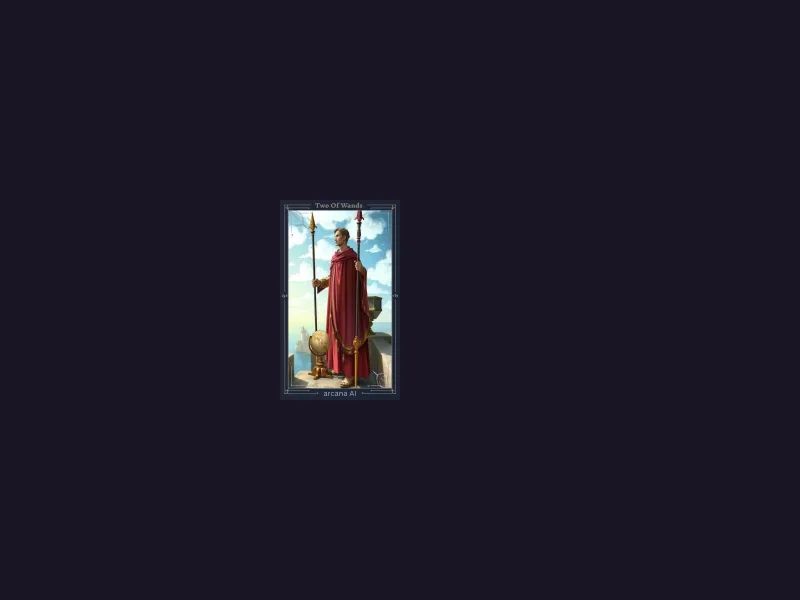
Spread Layout: 1 card(s)
Card Positions
Answer and Guidance
Determines an affirmative, negative, or conditional answer alongside practical guidance. It emphasizes the primary energy surrounding your question and suggests a clear course of action.
Understanding the Yes or No Tarot Spread
A yes or no tarot spread is a direct single-card consultation designed to answer a closed question. Each card reflects a favorable trend (Yes), an obstacle (No), or an unresolved condition (Maybe), giving you immediate perspective on your timing and choices.
A single card does far more than replace a coin toss. Drawing The Chariot or the Two of Swords points directly to the underlying momentum or mental hesitation in your situation. That distinction helps you evaluate the practical conditions behind the answer instead of relying on a blind verdict.
Quick Reference: 22 Major Arcana Yes or No Table
Use this master lookup table to interpret any Major Arcana card drawn in a single-card reading.
| Major Arcana | Result | Core Guidance |
|---|---|---|
| 0 - The Fool | Yes (Conditional) | Yes, if you take the calculated risk, but stay mindful of reckless impulses. |
| I - The Magician | Yes | Definite yes. You have the skills, resources, and focus required to succeed. |
| II - The High Priestess | Maybe | Pause. Essential information remains hidden, or you need to trust your intuition first. |
| III - The Empress | Yes | Strong yes. Growth, creativity, and abundant conditions support this step. |
| IV - The Emperor | Yes | Grounded yes. Stability, firm boundaries, and organized discipline are essential. |
| V - The Hierophant | Yes (Traditional) | Yes, provided you respect ethical standards or seek established counsel. |
| VI - The Lovers | Yes / Choice | Favorable yes, though it calls for a decision aligned with your core values. |
| VII - The Chariot | Yes | Decisive yes. Focused willpower and determination will drive victory. |
| VIII - Strength | Yes | Quiet yes. Emotional resilience, compassion, and patience carry the day. |
| IX - The Hermit | Wait / Not Yet | Take time for reflection before taking any outward action. |
| X - Wheel of Fortune | Maybe | Circumstances are shifting rapidly. The outcome depends on timing and flexibility. |
| XI - Justice | Conditional | Yes if you act with honesty and fairness; no if you look for shortcuts. |
| XII - The Hanged Man | No / Wait | Necessary pause. Step back and reconsider your perspective before committing. |
| XIII - Death | No (Closure) | A cycle is ending. Do not try to force life into what has already run its course. |
| XIV - Temperance | Maybe / Patience | Moderation is required. Balance differing views before reaching a final decision. |
| XV - The Devil | No | Warning against unhealthy attachments, manipulation, or compulsive behavior. |
| XVI - The Tower | No | Sudden collapse of fragile foundations. This is not the right moment to advance. |
| XVII - The Star | Yes | Hopeful yes. Healing, clear alignment, and encouraging prospects surround you. |
| XVIII - The Moon | No / Uncertain | Illusions, hidden agendas, or deep fears are distorting the true picture. |
| XIX - The Sun | Yes | Absolute yes. Clarity, vitality, joy, and open success are assured. |
| XX - Judgement | Yes | Major breakthrough. A positive reckoning and clear calling await you. |
| XXI - The World | Yes | Complete fulfillment. Successful closure and significant achievements lie ahead. |
How to Interpret Results: Energy, Polarity, and Nuance
Every tarot card carries distinct directional weight. When evaluating a single card, answers generally group into three clear polarities.
Strong Yes Cards (Favorable Energy)
Positive cards signal forward movement, receptive conditions, and strong support from your environment:
- The Sun confirms visible success and open clarity around your goal.
- The World marks the rewarding finish of an important milestone.
- The Star brings reassurance, sustained energy, and genuine promise.
- The Magician shows you hold the personal competence and initiative to carry out the choice.
- Ace of Wands and Ace of Cups open fresh opportunities in creative projects or close personal connections.
Clear No Cards (Blocking or Restrictive Energy)
Challenging cards warn of active friction, external friction, or compromised timing:
- The Tower warns of disruptive shocks and advises against launching plans under current premises.
- Ten of Swords marks a complete ending where further effort will only exhaust you.
- Three of Swords emphasizes acute hurt, sharp disagreements, or painful disappointment.
- Five of Pentacles indicates scarcity of resources or lack of support on this route.
- The Devil flags unhealthy dependencies, manipulation, or choices driven by panic.
Conditional Cards (Waiting and Timing)
A conditional card does not indicate an error in the reading. It means the outcome remains unwritten because key details have yet to surface, or because the result hinges on steps you take next:
- The Hanged Man advises holding back action until you see the issue from another angle.
- Two of Swords signals indecision rooted in incomplete facts.
- Justice states that the result will be favorable only if you maintain complete integrity.
- The Luna points to hidden variables or ungrounded fears clouding your judgment.
The Four Suits in Yes or No Readings
When you draw a card from the Minor Arcana, the suit’s elemental association frames the character of the answer and the area where it plays out:
- Wands (Fire): Leans toward an active yes, indicating creative drive, career ambition, and physical energy. Aces, Threes, Fours, and Sixes strongly support movement. In contrast, the Five of Wands points to draining competition, and the Ten of Wands warns of heavy overload.
- Cups (Water): Tends toward yes for relational questions and emotional wellbeing. The Ace, Two, Three, and Nine of Cups confirm connection and heartfelt satisfaction. Notable exceptions include the Five of Cups (lingering grief) and the Four of Cups (apathy or indifference toward available offers).
- Swords (Air): Frequently signals caution or a straightforward no. This suit represents mental tension, analytical scrutiny, and conflicting interests. Outside the Ace of Swords (breakthrough clarity) and the Six of Swords (transition to calmer waters), most swords suggest stopping to review your assumptions.
- Pentacles (Earth): Favors a practical, cumulative yes. It speaks directly to finances, career stability, health, and tangible property. Cards like the Ace, Three, Eight, and Ten of Pentacles validate steady viability. The primary exception is the Five of Pentacles, which signals financial vulnerability.
How to Frame Clear Yes or No Questions
The usefulness of a yes or no reading depends heavily on how you construct the question. Vague queries with multiple moving parts produce ambiguous cards.
Applying three practical rules keeps your questions clean:
- Anchor the question to a specific timeframe, such as “this week” or “over the next three months.”
- Focus on one distinct decision or action per card drawn.
- Frame the question around personal agency rather than treating yourself as an idle spectator.
| Life Area | Weak Question | Effective Question |
|---|---|---|
| Love & Relationships | Will my ex come back and live happily ever after? | Is it beneficial for me to reach out to [name] this week? |
| Career & Finance | Am I going to become wealthy from this project? | Does accepting this new offer improve my long-term career stability? |
| Personal Choices | Will all my current problems disappear? | Will setting a firm boundary with my family bring me immediate relief? |
Step-by-Step: Conducting Your 1-Card Reading
Follow these sequential steps when using a physical deck:
- Clarify your question: Write or state your question in single, unambiguous terms.
- Shuffle with intent: Mix the cards while keeping your dilemma in mind until you reach a natural pause.
- Cut and draw: Cut the deck with your non-dominant hand and pull the top card.
- Note your initial reaction: Observe whether the artwork evokes ease, tension, or restraint before checking definitions.
- Verify the card against the lookup table: Determine whether the card falls into an affirmative, negative, or conditional bracket.
- Apply the practical advice: Consider how the card’s symbol suggests you handle the resulting path.
Reading Reversals in Yes or No Spreads
Card reversals bring helpful nuance to a simple yes or no spread:
- Reversed positive cards: Usually suggest a delayed or qualified yes. The Sun reversed still carries positive energy, but it points to unrealistic expectations or minor hurdles slowing down progress.
- Reversed challenging cards: Frequently show that you are emerging from difficulty. The Tower reversed indicates that an impending upheaval has been mitigated or that the worst has passed.
- Neutral cards: When cards like Temperance or The Hermit appear reversed, the deck is advising you that acting right now is premature. Wait for additional clarity rather than forcing an artificial decision.
Contextual Reflection with Arcana AI
Generic online generators often reduce tarot to a random number script without memory or situational awareness. Arcana AI takes a different approach: its conversational interface evaluates the unique context of your query alongside traditional card symbolism.
Using Arcana AI gives you a direct answer backed by the specific conditions surrounding your situation, relevant cautions, and actionable steps to make well-informed decisions.
Frequently Asked Questions About Yes or No Tarot
How does a 1-card yes or no tarot spread work?
A single card is drawn from the deck to address a closed question. The card’s core energy indicates an affirmative, negative, or conditional outcome while providing practical context for your decision.
Which tarot cards mean a definite Yes?
Cards that represent clear forward momentum, fulfillment, and harmony indicate a definite Yes. Key examples include The Sun, The Star, The World, Ace of Wands, and Ace of Cups.
Which tarot cards indicate a clear No?
Cards associated with disruption, severe obstacles, or exhaustion signal a No. The Tower, Ten of Swords, Three of Swords, and Five of Pentacles are strong indicators to pause or reconsider.
What does a neutral or conditional card mean?
Cards like The Hanged Man, Temperance, or Two of Swords indicate that the situation remains open. The final outcome depends on missing information or decisions you still need to make.
How do reversed cards affect a yes or no reading?
Reversed cards introduce delay or internal resistance. A positive card reversed usually means Yes with caveats, while a challenging card reversed often indicates you are moving past a crisis.
Can I ask the same yes or no question twice?
Drawing cards repeatedly for the same question leads to confusion and reflects anxiety rather than clarity. If you need more depth, use a two-card or problem-solution spread instead.
Next Steps and Complementary Spreads
A single-card consultation provides quick orientation for immediate decisions. If you need to explore deeper factors or compare paths, consider these complementary spreads:
- One Card Spread: General open-ended reflection for daily grounding and broader insight.
- Two Card Spread: Ideal for comparing two choices, weighing pros and cons, or evaluating an issue against advice.
- Problem Solution Spread: Diagnoses specific roadblocks when your single card points to a clear No or calls for adjustments.
Example Questions
- Should I accept this job offer?
- Is now a good time to start this project?
- Will this situation resolve in my favor?
- Should I have that difficult conversation today?
- Is this person being honest with me?
Related Spreads
One Card Tarot Spread: Focus Frameworks & Daily Practice
A single card delivers unclouded insight when paired with the right inquiry. Learn focus question frameworks, daily anchor routines, and clear interpretation methods.
Problem-Solution Tarot Spread
A focused two-card layout diagnosing the true root cause of an obstacle and identifying the most effective strategic action or mindset required to resolve it.
Two-Card Tarot Spread: Polarity Analysis & Card Dialogues
A focused two-card layout for resolving dilemmas, contrasting perspectives, and reading fluid dialogue between cards through polarity analysis.
Try This Spread
Experience this spread with Arcana AI
Get the AppFrequently Asked Questions
How does a 1-card yes or no tarot spread work?
A single card is drawn from the deck to address a closed question. The card's core energy indicates an affirmative, negative, or conditional outcome while providing practical context for your decision.
Which tarot cards mean a definite Yes?
Cards that represent clear forward momentum, fulfillment, and harmony indicate a definite Yes. Key examples include The Sun, The Star, The World, Ace of Wands, and Ace of Cups.
Which tarot cards indicate a clear No?
Cards associated with disruption, severe obstacles, or exhaustion signal a No. The Tower, Ten of Swords, Three of Swords, and Five of Pentacles are strong indicators to pause or reconsider.
What does a neutral or conditional card mean?
Cards like The Hanged Man, Temperance, or Two of Swords indicate that the situation remains open. The final outcome depends on missing information or decisions you still need to make.
How do reversed cards affect a yes or no reading?
Reversed cards introduce delay or internal resistance. A positive card reversed usually means Yes with caveats, while a challenging card reversed often indicates you are moving past a crisis.
Can I ask the same yes or no question twice?
Drawing cards repeatedly for the same question leads to confusion and reflects anxiety rather than clarity. If you need more depth, use a two-card or problem-solution spread instead.